landrethnewsonamelia39's pick · Updated November 2026
Night Cat Backpacking Tent
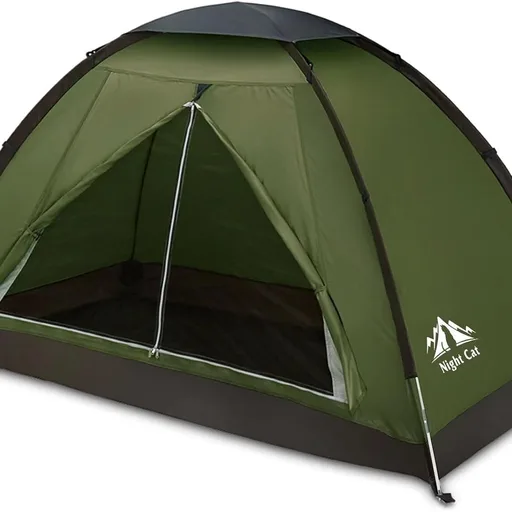

A small backpacking tent like this may suit campers who want a simple shelter for short trips, scout outings, or travel where keeping pack weight down matters more than extra interior space. The listed size suggests a compact footprint, so it is the kind of tent that can make sense for solo use or very close two-person use when gear needs stay minimal and the campsite setup is straightforward.
The main reason to consider it is the combination of light weight, waterproof construction, and easy setup in a single-layer design. Those are the features that usually matter most when the goal is to get shelter up quickly and carry less through the day. For someone shopping by use case rather than by brand, that can be enough to narrow the field fast. It may also appeal to beginners who want something simple to learn with, or to experienced campers who do not need a larger multi-room tent for every outing.
At the same time, the small dimensions are the first thing to check closely. A tent built around a 2.2 by 1.2 meter floor area is not trying to be roomy, so buyers should verify sleeping length, shoulder space, and how much room remains once a pad, bag, and pack are inside. Single-layer tents can also be worth comparing carefully against double-wall options if condensation control, airflow, or wet-weather comfort matters on the trips you actually take. Those are practical tradeoffs rather than drawbacks, but they matter a lot in the field.
The strongest evidence here is the product listing itself, so this page should be read as a fit guide rather than a performance report. The title points to backpacking, hiking, camping, easy setup, and a lightweight build, but the details that decide whether it is right for a given buyer still need confirmation in the specs and buyer photos. That means checking seam construction, packed size, door layout, pole design, and what kind of weather rating the manufacturer actually provides.
This is most likely to fit a buyer who wants an inexpensive, compact tent for occasional trips and is willing to trade interior room for portability. It may also fit a parent, scout leader, or solo camper who needs a straightforward shelter and does not want to overbuy for a few weekends a year. If space, weight, and simple setup are the priorities, this style of tent can be a sensible match. If comfort inside the tent matters more, it is worth looking at larger models before deciding.
Some Amazon links are affiliate links. landrethnewsonamelia39 may earn a commission from qualifying purchases at no extra cost to you. As an Amazon Associate I earn from qualifying purchases.
See current price